
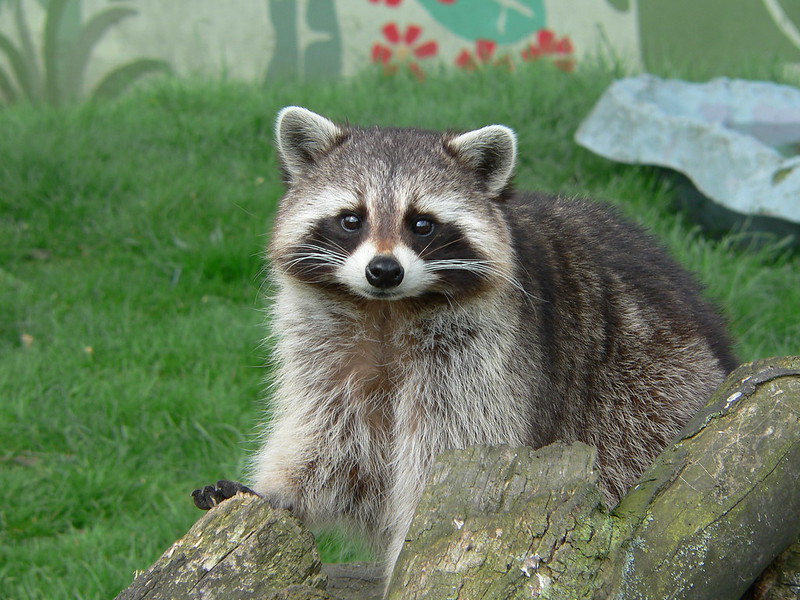
There are a number of raccoon diseases that can be transmitted to humans. While some of these illnesses are not very serious, others can be quite deadly. In this article, we will discuss the most common raccoon diseases that can be passed on to humans, as well as their symptoms and treatment options. We will also provide tips on how to protect yourself from getting ill.
Raccoon Diseases Transmitted to Humans

Rabies
Rabies is a deadly virus that is most often communicated through the bite of infected raccoons. Rabies is considered to be 100% fatal if it is not treated within a short period of time after infection. However, once symptoms appear, the disease cannot be cured and death usually occurs within several days.
The transmission of rabies is from the saliva of the infected mammals, which can be passed on through an open wound, the eyes, or the nose. Any infected mammal will have a noticeable change in its behavior and will become more aggressive. The incubation period for rabies is usually between two and eight weeks but can be as long as a year.
Symptoms of rabies in people include fever, headache, nausea, vomiting, muscle spasms, and paralysis. Raccoons are one of the animals that can carry rabies. If you got bitten by a raccoon, you should go see your doctor immediately and get a rabies shot.
Leptospirosis
Leptospira is a bacterium that causes leptospirosis in humans. Which can lead to kidney and liver failure. Animal bites, as well as direct contact with their body fluids or contaminated food or water, can transmit the disease.
Raccoons are one of the wildlife that can carry this disease. People who contracted leptospirosis often get a fever, headache, chills, muscle aches, and vomiting. If you think you have been infected with the bacteria, you should see your doctor right away. Treatment usually consists of antibiotics and other medications that can help to fight infection and prevent further damage to organs.

Raccoon roundworm
Raccoon Roundworm also known as Baylisascaris infection is a serious disease that can be passed on from raccoons to people. The infective eggs are passed in raccoon feces and can infect people who come into contact with contaminated soil or water.
Raccoons are considered to be vector species by the Centers for Disease Control and Prevention (CDC) because they can spread disease to other animals and people.
People become infected when they eat food, drink liquids, touch their mouth, eyes, or nose after handling contaminated objects, or accidentally swallow the eggs.
The symptoms of Baylisascaris infection vary depending on how many eggs are ingested. They can range from mild, such as a rash, to life-threatening, such as paralysis or coma. If you think you have been infected with Baylisascaris infection, you should see your doctor right away.
Tularemia
Francisella tularensis is a bacterium that causes tularemia in humans and animals. It can be passed on through the bite of an infected animal, as well as by direct contact with their bodily fluids or contaminated food or water. Raccoons could have been shown to carry the tularemia bacterium, which may also be known as “rabbit fever” because rabbits are one of the animals that are most commonly affected.
Tularemia is difficult to diagnose because the symptoms are similar to those of other illnesses, such as flu or pneumonia. If you think you have been infected with tularemia, you should see your doctor right away.

Salmonella
Salmonella is a bacterium that causes food poisoning in humans and animals. Salmonella infection is most commonly caused by eating food that has been contaminated with the bacterium. It can also be spread through contact with an infected animal’s feces, saliva, or blood.
The symptoms include diarrhea, fever, and abdominal cramps. If you think you have been infected with salmonella, you should see your doctor right away. Antibiotics are usually given to treat the infection.
Edwardsiella septicemia
Edwardsiella tarda is a bacterium that causes septicemia in humans and animals. E. tarda is most commonly found in water and food contaminated with the disease can transmit it. It is also possible to contract the bacterium through direct contact with an infected animal’s bodily fluids.
Infection is extremely rare but can be dangerous and difficult to treat. The symptoms are similar to other illness which includes chills, nausea, and fatigue. If you think you have been infected with septicemia, you should see your doctor right away.

Toxoplasmosis
Toxoplasma gondii is a parasite that causes toxoplasmosis in humans and animals. T. gondii can be found in contaminated food or water and can also be transmitted through contact with an infected animal’s feces.
Raccoons are asymptomatic carriers, which means they do not develop the clinical disease when exposed to the parasite. But they can still pass it on to other animals or people. In Florida, raccoons are kind of like a reservoir for the toxoplasmosis parasite.
People who contract toxoplasmosis may experience flu-like symptoms, such as fever, headache, and body aches. It usually just passes in a few weeks, but some people may develop more serious complications. The ones at risk from toxoplasmosis are pregnant women, people with weakened immune systems, and the elderly. If you think you have been infected with toxoplasmosis, you should see your doctor right away for treatment.

Chagas Disease
Trypanosoma cruzi is a protozoan parasite that causes Chagas disease. It is a potentially fatal disease that can be passed on through the feces of triatomine insects, which are known as “kissing bugs.” It can also be spread through blood transfusions, organ transplants, and from mother to child during childbirth. Wildlife like rodents, coyotes, and raccoons are common carriers of the disease.
The symptoms of Chagas disease can be divided into two phases: the acute phase and the chronic phase. The acute phase is characterized by fever, swollen lymph nodes, and headaches. The chronic phase can last for years and may cause problems with the heart, digestive system, and nervous system.
Trichinellosis
Trichinella spiralis is a parasitic worm that causes trichinellosis in humans. The parasite is found in contaminated food, such as pork or raccoon meat. It can also be communicated through contact with an infected animal’s feces.
The symptoms of trichinellosis depend on the stage of infection. In the early stages, there may be muscle pain, swelling, and fever. If the infection progresses, it can cause problems with breathing, heart function, and brain function.
The disease usually passes on its own, but in some cases, it can be fatal. Antibiotics and anti-parasitic medications are usually used to treat the disease.

Prevention
Raccoons are wild animals and should be left alone. If you see a raccoon in your yard, keep children and pets away from it and call animal control to remove it. In most cases, raccoons are reported to be infected with one or more of these diseases and they can transmit them to humans and domestic animals through their feces, urine, saliva, or body fluids.
Besides these zoonotic diseases, raccoons can also carry other parasites and viruses that can be harmful to dogs and pets. These include canine distemper, feline parvovirus, and rabies. To protect your pets from these diseases, make sure they are up to date on their vaccinations and keep them away from wild animals.
It is important to take proper precautions when coming into contact with raccoons and their droppings. Always wear gloves when cleaning animal feces and wash your hands thoroughly afterward.
If you are bitten by a raccoon and have symptoms such as headache, muscle pain, vomiting then seek medical attention immediately. To prevent the spread of disease from raccoons to humans and domestic animals. Be sure to keep your distance and always practice good hygiene habits.
Problems With Raccoon Infestation?
Besides the health risks posed by raccoons, they are known to cause a lot of damage to homes and businesses. They can get into roofs, attics, and walls and cause extensive damage. They also steal pet food, birdseed, and other items from yards and gardens.
If you are experiencing problems with raccoons or another wild animal on your property, call AAAC Wildlife Removal for professional removal services. We have the experience and equipment to get rid of raccoons quickly and humanely. Don’t put your family’s health and property at risk, call us today!
Conclusion
Raccoon populations are not only seen as pests but also as dangerous animals because they carry diseases that can be passed on to humans and other animals. It is important to understand how these illnesses spread so we can protect ourselves from getting sick by staying away from raccoons or taking precautions when coming into contact with them.
Originally published on https://aaacwildliferemoval.com/blog/raccoon/raccoon-diseases-transmitted-to-humans/